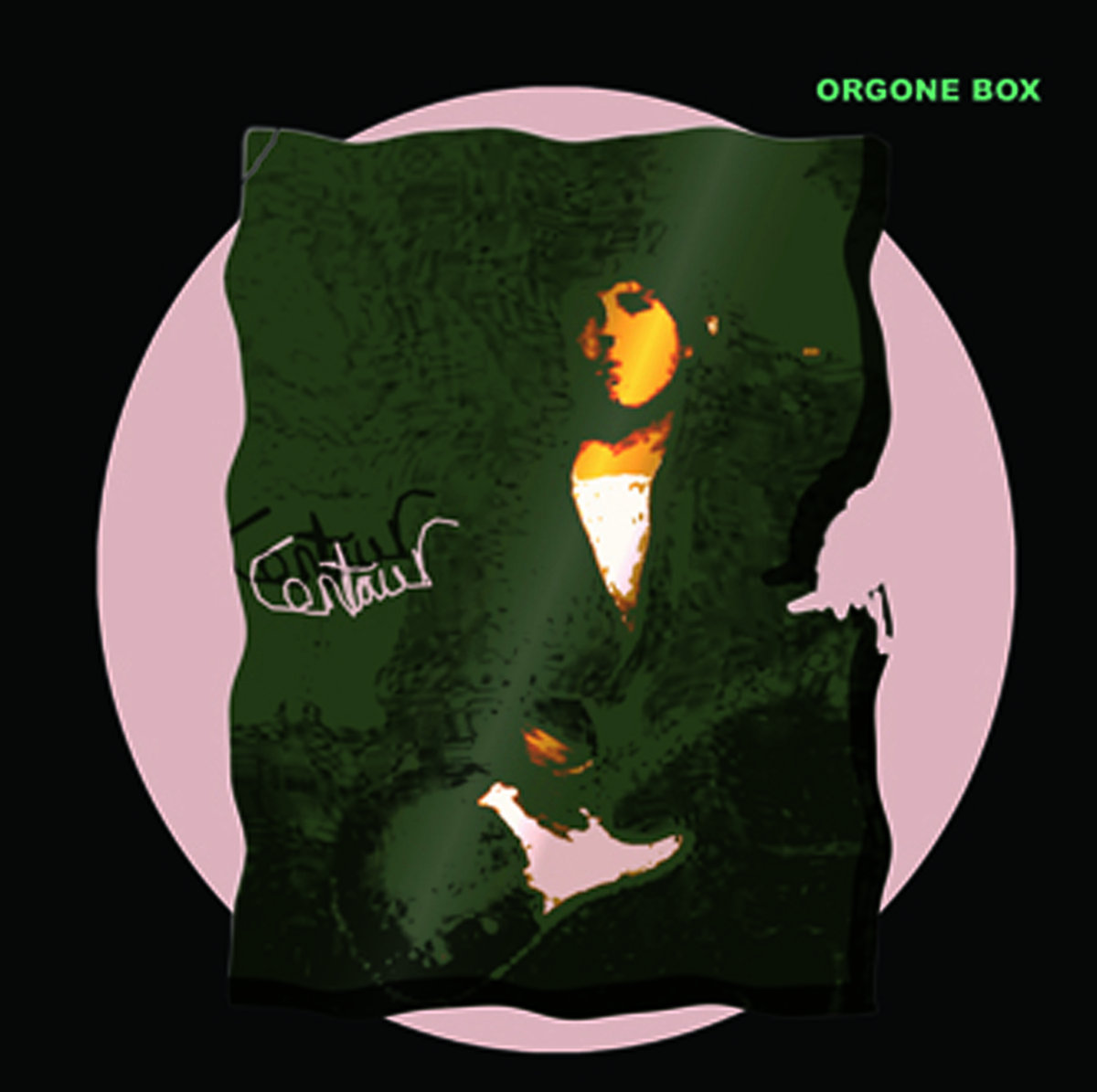
My recent post about Orange's Judy Over The Rainbow has created an overwhelming interest from people as has the fact that Orgone Box are recording new material. So I'm republishing our Mick Dillingham's Interview with Rick that was initially republished here in 2020.
You can still buy both The Orgone Box and Things That Happened Then from Bill from Minus zero at very reasonable prices here and here. Markus at Sugarbush still has the Vinyl Reissue of confectionary for sale here. As well as the odd copy of Centaur.
Ray at Kool Kat issue Centaur on CD on his Kool Kat label and still has copies here. The Judy Over The Rainbow 3 Track Single by Orange can still be bought on Vinyl and CDS fairly cheaply on Discogs.
This is a precursor to a much bigger piece on Rick Corcoran planned for later in the year when the New Release Reviews are caught up with. I also have some Rarities and demos from Orange and Orgone Box that I will ask Rick about regarding what we or he can do about.
Reviews are back tomorrow. Now for that Interview from 2001!
This interview with Rick Corcoran, the man behind Orange and Orgone Box, was done when the first album came out on Minus Zero in 2001. The recent news that a new album is planned for release this year on the Sugarbush label is both exciting and also makes this even more interesting.
So how did you first get into music?
“My brother taught me how to play a few chords on the guitar and piano when I was about fourteen and I sort of taught myself from then on by playing along to records. When I joined my first band, I was sixteen and working in a nightclub in Sheffield. There was a band with a silly name rehearsing in the afternoons and I used to get up and jam with them after I'd swept the broken teeth and pigs trotters off the floor Anyway that was my first band.
Growing up I got a cross section of influences. My dad was a Beatles fan, Frank Sinatra too. My mum listened to Rodgers and Hammerstein and my brother was into Be-Bop Deluxe and prog rock in a big way. So there was always a lot of that stuff being played around the house.
My thing was always guitar pop more than anything – first The Beatles, then Sweet and stuff on Top of the Pops, then Punk and bands like Cheap Trick and The La's. Nowadays if I'm honest I download my favourites off the Internet, stuff like I'm Mandy Fly Me, You're So Vain, Silver Star by The Four Seasons and Guitar Man by Bread. Apart from obvious stuff like The Beatles and The Beach Boys, I've always been into one-off tracks and hits more than any one band and I still am”
So how did you start making your own music?
“When I first moved to London, I joined a band called Sugarbush who were a sort of Replacements/Tom Petty-ish type band. We gigged around Richmond and Fulham for about six months and then I took off with the drummer and the bass player and formed The Green Tambourines. The Tambourines were the first good band I'd been in, but maybe we were a bit out of time. I mean we were playing guitar pop while your Jesus Jones and Acid House were happening! As far as I knew an E was a major chord.
Island Records put us in the studio with Wreckless Eric producing, but they wanted us to be Nirvana so that didn't work. We also had a daft manager who played jazz on his answerphone and didn't know anyone, so you can tell how organised we were. Anyway we did some memorable gigs around London, but we split up after about eighteen months. I'm still in contact with two of the guys from the Tambourines In fact the drummer Tam Johnstone played drums on the Orgone Box and the bass player Tim McTighe did the orchestral arrangement on the track Find The One.”
So this was when Orange came about?
“Orange came together quite quickly after that. I was playing guitar for a band at the Midem festival in France and I gave one of my demos to their manager. He offered me some studio time. but only if I had a band, which I didn't. So Orange was formed by picking the first three guys I came across - not a good move.
We signed with Chrysalis by making them think we'd been together for ages. but actually I didn't know the band from Adam and they didn't know me. The demos that got us signed were all my work, I'd done them at home, but the record company couldn't tell, as a band we didn't sound anything like them. When I. heard the recordings we did at Abbey Road, they could have been different songs. It was a joke, but it was my fault, because I'd roped them into it.
The first thing we did after signing for Chrysalis was the single Judy Over The Rainbow. As far as I can remember I had a good time making it because the producer Dave Eringa, was a really funny bloke and the song went down really easy. The response from the radio was good too, loads of plays on Radcliffe and Independent stations. Everybody at the gigs knew the song, which was great because it was the first time anything like that had happened for me.
I think if we'd been a cooler band it would have been a hit. Nowadays I prefer the 4-track demo version that I wrote and recorded while I was with the Green Tambourines and which is also on the Orgone Box album. I like the arrangement on the Orange version, but it's played too fast and sounds a bit hectic to me, which incidentally sums Orange up. I relate more to the slower spaced out feel of the original, it rolls along as opposed to jumping, if you know what I mean, and it's less gimmicky.
Orange recorded loads of my songs for Chrysalis, but none of them ever got released. Because we never got on as a group of people, we never really hit it off as a band. I think the bad feeling started right at the beginning when I got rid of the first drummer and another guitarist who happened to be mates with the rest of 'em. I don't think they ever forgave me for that, but there you go. Although I don't particularly enjoy being hated, that on it's own didn't bother me.
It was the laziness and playing crap that I couldn't work with. They were always late for gigs, which is fine if you play great and look great but they didn't, songs were always breaking down. In the end we went into Chipping Norton studio with Gus Dudgeon, to re-record an album we'd fucked up at Rockfield. But the band just couldn't get their parts together. The guitarist couldn't think of anything to play and the drummer just gave up and asked if we could use a drum machine!
I found it all a bit embarrassing in front of a guy like Gus. I mean he did Space Oddity and Rocket Man for godsake! After three days work they went home for the weekend and never came back. I haven't seen them since. It was all my fault, because I roped them into it. I ended up finishing the album with Gus, but it never came out because Chrysalis dropped the whole project anyway. Funnily enough that was the best feeling I'd had for along time.”
You're time with Orange doesn't sound a happy one. Did it put you off the whole music thing?
“No, I thought sod all that major record company stuff and spending weeks in big studios getting drum sounds, comping vocals and everybody eating three course meals. I hated it, so I borrowed some money and hired some tape machines and started recording new songs at home. I did this kitsch campy song called Find The One, which is a kind of Roy Orbison thing and some Japanese label heard it and asked me to do an album, which eventually turned out to be The Orgone Box.
Making it was a really enjoyable experience for me. I had four 8-track tape machines, a 32 channel desk, a load of effects, three amps and half a dozen guitars all set up in my flat, so I could make a right racket. I wrote most of the songs while I was recording them. What I did was put down some guide drums with a click, added a bass line, a bit of guitar and a vocal.
Then I took the tapes and the machines to this place called the House in the Woods, which is a big old mansion house in some woods just off the M25. 1 got hold of Tam Johnstone and he laid the drums down to my guide track in what looked like a big dining room or a library or something. The feel was just right and the whole thing took about four days.
Then I took the tapes home again and spent a few weeks doing overdubs and generally just had a great time playing around with the music. I've always wanted to be in a great band, but when it comes to recording, I always seem to be at my best when I'm working alone. It's just the way I am. That way I can conjure up and maintain an atmosphere that I feel is right for the song and put all of myself into the performance, instead of reacting to an atmosphere created by others.
I don't like being hurried or slowed down by other people. I like to do things in unorthodox ways and at unsociable times. I can start work on an idea one day and just keep working until I'm happy. I don't think about sleeping or eating. Those things just break the flow up for me. I'll stop when I'm satisfied or when I get bored or when I drop.
At the end of the day, it's not the sound quality or making sense that I'm most bothered about. It's whether there's a spark in the record that excites me, a feel that takes me somewhere else in my head, that's what I do it for. I mean just listen to Noddyland. The crowd on there is from the Shea Stadium gig, I had it in my cans while I was singing and playing guitar at the same time and it was like a fantasy gig for me. Pure tennis racket!”
Listening to the album it strikes me how literate and thought provoking the words are.
“It's a very personal and private record lyrically and at the same time, I feel that the tunes are universal. Nearly all the songs are introspective themes because that's the way I am. I'm always thinking about what I'm thinking or what you're thinking and my songs usually analyse me. Listen to Anaesthesia, Bubble or Ticket With No Return for instance. Lyrically I'm being very melancholy, even a bit down on myself. But at the same time the tunes are very uplifting, very welcoming to the listener. I think the tunes contain a hopeful message.”
So what the heck is an Orgone Box anyway?
“The Orgone Box was a thing devised by a psychoanalyst called Wilhelm Reich. He claimed that Orgone was some kind of universal energy and that he could capture it in his device and then use it to treat illness. I read about it in a book on the occult by Colin Wilson and I liked the idea of it. It sounded musical to me and I'd done most of the record in my flat, which I suppose is a kind of box, so bobs your uncle, as they say It's nothing profound I just liked the sound of it.”
How does it feel now the album is finally coming out?
“It's funny how things come about, I honestly thought that the album would never get off the ground. The Japanese label got closed down and I couldn't get anything else going, so when Bill Forsyth phoned me out of the blue I was dead chuffed. I'm hoping that the Minus Zero release will prick up some ears. I read somewhere that if the music is playing, the audience will find it one day and I believe this. Sooner or later the album will make its mark, and to be honest I could do with the money to do more recording.
At the moment, I've got the bones of another album written and I've just started putting the ideas down on tape. As it stands I think the first side is going to be about eight songs all joined together in a kind of mosaic. I'd love to get something else out this year if possible, that's what I'm aiming for.”
The early Rick Corcoran recordings are still available on Vinyl from Sugarbush Records on the fantastic Lorne Park Tapes (SB019) here.
Centaur, the reworking of the Orgone Box album is still available on CD here and as a download here. The Sugarbush Vinyl Release is now sold out.
Mick Dillingham talks to Curvey about the upcoming Custard Flux album, Phosphorus, in an I Don't Hear A Single Exclusive
The time is finally upon us to immerse ourselves once more in the swirling ocean of musical joy that is the Custard Flux with the brilliant new album Phosphorus. When it comes to the magical out pouring of Greg Curvey I find myself as a reviewer in that familiar and slightly confounding place I’ve been many times before in theses very pages.
To blithely say this is his best yet is a nonsense, because Curvey has always delivered the best, from when The Luck Of Eden Hall reformed in 2006 right through to today and onwards into tomorrow's yet to come. Its all the best and Phosphorus continues that unbroken chain of greatest we have come to expect from this hugely talented man. So what has our friend been up to in these strange times since we last met?
Curvey: "I wanted to be a biker after watching C.C. & Company, a B movie featuring Ann Margret and Joe Namath. It was the early 1970s and I couldn’t get my fill of Cycletoons comix. I idolized Evel Knievel. I drew pictures of motorcycles and monsters all the time.
My Dad had a garage filled with motorcycles, including a Triumph Bonneville, with matching bubble visored helmet and gas tank, a glorious sparkling silver, adorned with orange and yellow flames. Sometimes I’d muster up the courage to cross the forbidden zone and sit on it. I’m pretty sure my Dad knew.
He bought a 50cc Suzuki trail hopper for my step sisters and I to ride and let me take his 175cc Yamaha out a couple of times, which was fantastic, when I got to visit every other weekend. Years later, I had a 1968 Triumph Bonneville for a very brief time, but it was stolen. I was in my late 20s, living in Chicago and it wasn’t the best place to own a motorcycle.
In 2020, after Oxygen was released, I had started working on the basic tracks for Phosphorus, when I saw an absolutely gorgeous 1974 Harley Davidson Sportster for sale. Boom! I decided to sell enough of my childhood collectibles (i.e. cereal premiums, concert tour books and t-shirts, toys, etc.) that were sitting in boxes, and buy the bike.
Being stuck in the house under Covid quarantine was a bit maddening, right? So, I spent the entire summer and fall of 2021 becoming a grease monkey, falling in love with chrome and the smell of burning oil, riding and working on my bike. Then came the Michigan winter. Back to the mixing board and the Phosphorus Album."
Here are Curvey's thoughts on the new songs.
The Pretender
"This song initially started out as a complaint about all of the political lies being casually shoved down our throats, but I decided not to go that route. I really wanted to write some positive, even possibly uplifting, songs. I figured the world didn’t need more negativity after experiencing the pandemic and the Trump fiasco. Goals we set, are goals we get, eh?"
Memory Ends
"In 2021, my brother-in-law, and friend, died unexpectedly. He was a gifted, intelligent being, using his talents to help his family and the folks around him grow and prosper. The world needed him. His passing influenced the lyrics in this song. Inspiration for the music came from chords I started playing while recording the harmonium at the end of the previous song, The Pretender."
Phosphorus
"This is one of my favourite tracks on the album. Red era King Crimson, maybe? It all started with the intro, as it should. Vito Greco and I decided it was the perfect setting for a guitar battle. Why not? I love Tim Prettyman’s double bass part and Mars Williams’ interplanetary saxophone solo rules!"
Station
"I had the music composed and recorded, long before the lyrics settled. In my youth, FM radio was a place to discover new music. Long extended tracks, played back to back, with no commercials. Mahavishnu Orchestra, Genesis, Yes. It didn’t last long, but it was a beautiful thing while it did. The same thing happened with cable TV and the internet. I long for old frequency modulation. FM. Vito’s Portuguese guitar part re-energized my interest in this song, after I’d nearly scrapped it."
The Gardener
"The lyrics are inspired by something one of my High School classmate’s older brother actually pulled off and would have gotten away with, had he not bragged about it to some friends. It was around 1980, before cell phones and cameras were everywhere. Imagine that.
Strawberry Squid
"Practicing scales pays off and inspired this composition. It’s was one of the first tracks written for this project. I wish I was a better drummer. Oh and strawberry squids are real!"
The Man In Blue Wants Out Of His Suit
"Something I posted on a thread once, about some 60s band’s photograph and my friend Steven Curl suggested it would make a good song title. I’m just singing about myself. The good folks at Fruits de Mer Records included this track on their recently released Earworms CD Compilation."
Roses And Wine
"Once again, the music was composed and recorded and in need of a lyric, so I decided to look up the Henry Mancini classic, The Days of Wine and Roses, for some inspiration. I never realized how bad the lyrics to that song were! But, they did inspire me to write something. The music is inspired by a riff I’d recorded on my phone while practicing. I do that quite often."
The Devil May Care
"I really like this mix and Vito’s guitar parts. It’s not really about anything, or anyone, I guess. Stay away from drugs, folks. They will make your life worse."
Sifting The Stars
"This one flowed seamlessly after The Devil May Care and resolved what was a bit of a downer with something uplifting. It’s certainly easy to sing along to and was a good excuse to plug in my Flying V."
Orbital Transport
"Definitely influenced by John Barry’s soundtrack to You Only Live Twice. You may not hear it, but it’s there. Mars on saxophone. When I recorded the triangle during the last part of the song, I set up two mics, positioned facing outward, like the ears on your head and revolved the triangle around the mics in a big circle. There’s some autoharp in there as well."
Staring Straight Into The Sun
"Beware of the charlatans. I’m gobsmacked by how many people swallow the bullshit fed to them by talking heads. That’s what the lyrics are about. The music was written around the riff."
By Order Of The Grand Vizier
"I’d written and recorded the piano and drum parts for this track while I was working on Echo, but it didn’t fit in with the other songs, so I filed it away. When Phosphorus grew beyond the limits of a single LP, I pulled this one out and started working on it again. The ghostly sounds are the combination of an Ebow on my electric guitar and a recorder, the instrument we all had to play in elementary school. I added the motorik bit at the end to extend the composition and Vito absolutely nailed his solo on the Stratocaster. I love this track."
The Face Of Mankind
"It doesn’t happen very often, but most of these lyrics came to me while I was composing the music on guitar. The weight of knowledge can be hard to carry. Isn’t that what the Garden of Eden is all about? Even though it may seem like an easy way out, to be one of the souls who have remained wilfully ignorant, I’m glad to have chosen the path I’m on."
"One of my favourite memories I keep from my years of martial arts training, is from a Kali bow: The hand of friendship is superior to the hand of war. Truth."
Phosphorus will be available to pre-order on the Custard Flux Bandcamp site here from 1 April.
The Ophelias were a San Francisco based Psychedelic Rock band of great melodic beauty and mind twisting depths. Built around the unmistakable creative talents of Leslie Medford with his confoundingly fabulous voice and strange and majestic songs to dazzle and delight.
Add to this, by the second album, the fully unleashed guitar genius of David Immergluck dancing truly unfettered in the remarkable musical playground Medford presented. No wonder the band were much cherished in the vibrant local scene at that time.
Three essential albums and they were gone, fading into the mists of time, cherished and adored only by the very few lucky enough to stumble across the genius music left so carelessly behind. Medford disappeared and with their albums all long deleted and never reissued they became one of the truly great lost bands of that long gone era.
But then a few years back, out of nowhere, Medford returned in his new role as curator to the band’s precious musical legacy. After all these years, The Ophelias, who we had started to think were just this perfect imaginary band we had made up, became real once more. With a Bandcamp page overflowing with all of their released output and a whole lot of rare and unreleased treasures from the archives to delight us all.
Bare Bodkin is the first physical release of this joyous return and what a delightful release it is. A fifteen track compendium enhanced with a sprinkling of previously unheard gems It is released on Bruce Licher’s above and beyond, California based Independent Project Records label.
The collection comes housed in a stunning fold out 4x5 cover along with a lovely history of booklet and postcards. It’s a prestigious and superbly crafted item that more than does justice to the almost mythical music contained within. Highly recommended! .........................
You kind find out more about Bare Bodkin and buy the album here. You can find out more about the Independent Project Records label here. You can listen to and buy The Ophelias Back Catalogue here.
You can also read Mick's big piece on The Ophelias from 2018 here. In that article, Lesley Medford gives his reasoning behind the Bare Bodkin release.
Mick doesn't only interview, he was a writer for many publications, the most notable being Bucketfull Of Brains. He makes his writing debut for I Don't Hear A Single with a review of Marc Ribler's splendid new album...............................
You want some smart, beautifully crafted and utterly beguiling guitar pop to bring much needed sunshine to your heart and a unstoppable smile to your mind? Then look no further than Marc Ribler’s new album, the glory to behold that is The Whole World Awaits You.
From the very start you know you’re in for a musical treat of the highest order and over the dozen tunes delivered with such attractive aplomb, Ribler never once drops the ball or fails to deliver anything less than wonderful.
What a talent the man is in every department. His sweet honey and personable voice is exactly right, a beloved friend to your ears from the opening song that makes you want to listen to the words dancing over and around all this marvellous music.
Fortunately he is no slouch when it comes to engaging lyrical invention and the songs are lovely, engaging and intelligent, full of clever ideas. Sweet entertaining satire and intelligent heartfelt imagination to nourish the soul. Ribler seems like a very fine person, warm and engaging, some one you’d be happy to call a friend
Musically the album is masterfully uncluttered, yet full of perfectly placed rich detail to curl the toes of every true music connoisseur out there. The man is a classic old school guitarist in that he has an individual trademark sound that makes him unmistakably Ribler and no one else.
That sound is soaring bright and blazing, the guitar breaks are gorgeous and impressively majestic and your heart starts to lift when you know they are coming to take your breath away. Finding this gem of an album takes me back twenty years or so to those glory days. Days when perfect albums like Brad Jones's Gilt Flake, Brian Stevens's Prettier That You or The Maggies' Homesick would drop into your lap from nowhere
Albums that captivated you for weeks at a time to the exclusion of everything else. I just cant stop playing this delightful record, over and over and over. I just love it and so will you I am sure. Highly Recommended!
I will freely admit that for much of the nineties, besides the obvious greats of XTC, Robyn Hitchcock and Captain Sensible, the fast majority of bands and artists I was well into were American. It seemed to these ears that there was an unending flow of quality, interesting melodic guitar music from over the pond that easily trumped the fashion conscious Brit Pop The latter seemed like an Anthematic rip off of my older siblings record collection
Its an interesting phenomena in music that even though bands often create music totally independent of other contemporary music, there can be something in the water of the time that means there are other bands also creating music of a similar ilk. From the outside it can seem like a movement, though when delved into more closely it turns out to be a coincidence. As the decade approached its end one such movement sprang into life in Britain.
Melodic gravitas progressive popsike of stunning beauty and grace made by bands like Super Furry Animals, Orange, Orgone Box, Octopus, Supernaturals, Silverheel, Lilac Time and The Chrysanthemums was all a joy to behold. The two I loved the most had to be Straw and the fabulous Derrero. Championed by both John Peel and Mark and Lard, it seemed for a while, especially around the time of their radio hit Radar Intruder, that Ash Cooke, Andy Fung, Dave Hirst and Mary Wycherley who made up the mighty Derrero came so damn close to breaking on through to a more widespread popularity.
Over three albums and three EPs, Derrero grew to be glorious with their gorgeous melodies, wonderful production and seductive harmonies, culminating in the superb swansong Comb The Breaks, before drifting apart and moving onto new musical projects. They always remained friends, even did the occasional ad hoc live show down the years. But now they have returned with a brilliant, fill your heart with joy, new album Time Lapse on Recordiau Cae Gwynn Records which is everything you would want from them and more. Time to sit down with Ash and Andy and talk about it all.
Ash: “Neither of my parents make music or play instruments, but there was always interesting music in the house. I remember being drawn to records that they had by Buddy Holly, The Beatles, Geno Washington & Peddlers and the harmonies of songwriters like The Everly Brothers & John Denver.
They also had comedy records by Peter Sellers and those weird covers albums with some bloke playing the Hammond Organ to demonstrate stereo. I was drawn to odd bits of music like that. I loved record sleeves as a kid (still do) and liked looking at the pictures on gatefold albums. Boney M’s "Oceans Of Fantasy" was my favourite. It opens out twice so there are four sides to the picture. Classic times!
My Dad bought a little tape player for loading games on to a home computer that we had, but I was more fascinated by the idea of recording myself and my guitar. It was really weird to hear my own voice for the first time. Eventually I learnt to use a second tape machine as a way of multi tracking recordings. The final step in my conversion to a lifetime love of home recording came when I acquired my first 4 track. It changed my world forever.
I was taught to play the guitar in Primary school by a local musician. It got me out of Maths for one hour a week, but I just loved it and played all the time. I wrote bags of songs that were all crap, but I cherished them and pretended to release my own albums and play gigs in the house. I played my first gig at Primary school and got paid a Mars bar!
Later on I used to do proper gigs in Secondary school. I remember that we put a scratch band together to support Dr Phibes & The House Of Wax Equations in our sixth form. We were rubbish but I got my first taste of what a band can sound like through a full PA. I didn't really have a regular band before going off to Art College in Falmouth. As well as playing in school though, friends used to come over on the weekend and we would record hour after hour of Brian May inspired rock Jams. Those were the days! I remember building drums from ice cream tubs. Still have those tapes – very weird.”
Andy: “I grew up in Trinidad and my earliest musical memories are driving to the beach listening to my parent's tapes in the car, from Reggae to James Last to The Beatles. Later after moving to England in the mid 80s, I formed my first band at the church that my dad was the Pastor of. As well as playing drums. I started writing songs on guitar, my chord knowledge was basic, but enough to write and actually my song writing is still quite simple chord wise. I then went on to join a band called Jive Ass Blast and started getting into Psychedelics like weed, mushrooms and LSD. That was the beginning of a lifelong love of Psychedelics which influenced my music and visual art.
I was also drummer in a Christian Funk band called City Gate and played guitar and sung in a band with friends called Shanti. This was the beginning of me melding drumming with singing which went on to be a key part of Derrero. I was playing in a band in Falmouth called Big Chief which was completely folky and doing trad folk covers. When the fiddle player and her boyfriend left, we were in need of new musicians and a new direction. I knew Ash and Dave played guitar and bass so asked them.
Our leader Rob was a funny, cool and eccentric guy and he had really good contacts with lots of pub landlords throughout Cornwall. We rehearsed up a set of covers from the snooker theme to the Grateful Dead and played all over Cornwall and occasionally Devon. It was really good gigging experience and developed us as musicians. It was also a great source of extra income.
After college we relocated to Brighton and started Derrero with a different bass player Stacey. We played as much as we could and saw lots of cool experimental bands in Brighton along with Gorkys. We chatted to them after, little knowing that we would go on to support them and become friends in years to come.
My girlfriend at the time, Mary Wycherley, got a place studying film at Caerleon near Newport, so we relocated to Newport and Dave joined us. Brighton and Newport were important places for us getting experience in playing live and honing our sound, which at first was very high energy and punky three piece sound with melodic two part harmonies.”
Ash: “Dave, Andy, Mary and I met in Falmouth, but we didn't form Derrero until after we graduated and left. This is the part of the band history that is most misinterpreted. Andy was in a band called Big Chief that had just lost their guitarist and bassist. I remember that Dave was driving me along Wood Lane in this great gold Capri that he owned. Andy stopped us and mentioned about the band situation. Dave and I jumped at the chance to join. There was another member of the band called Rob who was a lot older than us and was kind of the band leader.
We spent two years travelling all over Cornwall in a knackered camper van playing in pubs and clubs. Textbook apprenticeship, I guess. Mary was Andy's girlfriend at the time and she sometimes sang in other Falmouth bands. After we graduated from Falmouth Andy, Mary and I moved to Brighton for a year and started Derrero. The first week there, we sat in the front room of our flat and put our tunes on the table. The plan was to start getting gigs like crazy and get signed - like you do.
The first ever Derrero gig was at the Free Butt pub in 1995. Dave had gone back to Kent to work for his parents and another college friend of ours, Stacey Harvey, played Bass. Brighton was interesting at the time, because it was full of ex Falmouth artists like Pete Fowler and Rob Ramsden. Jo Nery the actress was there. She has since gone on to be in Ideal with Johnny Vegas. The Brighton year was a lot of fun and we worked hard to get gigs.
We played loads of shitty London pubs with noise limiters that cut the power off when ever you struck a snare drum. One gig was in this pub in Basingstoke. The Landlord was ex military and a bit if an odd ball. We had only played about three songs when he told us to pack up and go home because we didn't sound like our demo tape 'where is the girl singer' he complained. We were pissed off because we had hired a van and travelled a long way. So we asked the audience if they wanted us to continue and they were with us so we carried on. At the end of the night the landlord gave us the money and wondered if we wanted to book another gig!!!
When Mary got a place on a Film & Animation degree course in Newport Gwent Andy wanted to go with her and I didn't want to break the band, so I went along too. Stacey opted to stay in Brighton and our old pal Dave decided to rejoin our merry gang and that was how we ended up in Wales. After a disastrous Christmas playing some money making gigs in Cornwall, we headed back to our new home in Newport. Our van died on the way and it took us eleven hours to make the four hour journey.
To begin with the plan was to be playing regular gigs in South Wales within six months and be part of the scene which we did. We ran Derrero as a business for a while to get funding to buy another van. Building on the funding idea, we also bagged another £200 from The Princes Trust and recorded a demo at Cardiff's Big Noise studio in early 1996. Later in the year, Big Noise owner Greg Haver was at one of our Newport gigs to see Flyscreen who he was producing at the time. He was interested in starting a label and agreed to record more Derrero tunes.
We were so well rehearsed in those days that we laid down the backings for seventeen songs in one day. It was rough and ready, but that was the way we sounded at the time – all gung ho energy. We had never really recorded with this band either, so it was all new territory. The vocals were put down after Xmas in early 1997 and all of a sudden we had an album.”
Andy: “One thing that defined us is our enthusiasm and commitment to rehearsing and vocals. We were all signing on and could commit to the band full time. Ash and I were constantly writing too. We both had a wealth of songs to choose from with our two styles complimenting each other, but also quite different. This was definitely a strength of the band. Once with Big Noise and the first album was out, which was recorded and released quickly, we were free to work on the new songs coming through.
Greg Haver produced us and he was developing as well, so we were experimenting and learning on the job. Our approach to recording was very free and we weren't afraid to try anything out. Fuelled by coffee and weed, the sessions often sounded pretty layered and psychedelic. Bands that we were into were varied and many. but certainly Ween, Grandaddy, Super Furry Animals, Gorkys, Sparklehorse, Teenage Fanclub and further back The Beach Boys and Neil Young.
Harmonies were definitely the staple on which everything was built from there launching off into any direction. Radar Intruder was key for us as John peel picked up on it and it led to our first session. John championing the band was a real boost as he was so revered in the world of alternative music and so important for the exposure of new acts trying to do something different.
I would say that our Art background was very important in informing us as a band. It was one of the things that set us apart. We were of course lumped in with the Welsh movement. Like, Super Furry Animals, we prided ourselves on a very creative approach to production and song writing. There was a feeling of kinship with some American bands that we'd arrived at through shared influences, but at times randomly.”
Ash: “It must be noted for the record too that Le Pub owner Kieran put out the Dipstick/Tiny Shoes single for us at the same time. We used the Big Noise versions of these songs, although producer Rich Jackson was supposed to do the session but was unavailable. Le Pub was our main haunt and was the last place that I played with the group in 2002.
A lot of the songs on the first album dated back to the Brighton days and were quite old, this is the case with many bands first albums I guess. Dipstick was originally written in a country style version at half the speed! We played it as a 'Breeders version' in rehearsal one day for a laugh and Greg came bursting in wondering what the tune was!!
We had a lot of fun with the vocals on that album. Riddle & Bend had stuff sung down traffic cones and there was a lot of screaming. The album seemed to do quite well. I don't really recall much, but our gigs certainly picked up once it came out. Greg’s business partner, Ceri worked for the Super Furry’s stage crew and his girlfriend worked for Ankst who managed them and Gorkys Zygotic Mynci etc. So we were able to get support slots with them all.
We Played in Coppers Field Cardiff with The Fall and a million dates in London. A stand out moment I guess had to be getting the first Peel session. Small Pocket was recorded quickly after the first album came out and was fresh with new songs. We took more time to record each song and produce things a bit more. It is still my favourite set of tunes.
Super Furry Animals stored their gear at the studio and we were able to borrow bits and bobs for our sessions. I think that we were all taken a back by how much the band had grown musically in a year. It gained us a new level of respect too. With this in mind we cracked on and began recording the second album.
Radar Intruder was one of those songs that didn't feel like it would be much good until it was recorded and then we all knew it was good. We were moving forward doing what we dreamed off. Doing more Peel stuff on the back of that record was amazing. People started to respect what we were doing more.
Recording at Maida Vale was funny too as the Beeb was still quite old fashioned then. We got there early expecting to do a full days recording, but once the tape op had loaded the machine at about 10 am, we saw no one until the engineer arrived after lunch. With a fag in mouth, he recorded us till about 5 then announced it was time for the pub before mixing. The whole thing wrapped up at about midnight.
In 1998 we did our longest string of gigs supporting Catatonia. The shows were all sold out. In fact 1998 & 1999 were busy years. We toured with Granddaddy, Sebadoh and Gorkys again. I also did a string of teaching workshops with valleys poet Patrick Jones.
We had all moved over to Cardiff as well by this time, so we spent a good of time in the studio practising and playing at being a ‘proper band’! There can be a general sound that surrounds bands that live and work in the same city or area. I think that because a lot of the bands rehearsed in the same place in Cardiff, then ideas possibly got passed through the walls.
Granddaddy's first album opened up the door for raw room sounding drums on records, but we were into Teenage Fanclub, Beck, Ween, Bonzo's, Big Star, Elliot Smith. Good harmonies and interesting production. Our Welsh contemporaries were also a strong influence on how to operate as a band. You learn a lot by working with bands that are more successful that you!
Andy and I wrote songs separately and then brought them to the band. Occasionally either one of us might suggest a tweak here and there, but we respected what the other person brought in and kept them mostly intact. Harmony was important because we loved The Beach Boys and because we both wanted to be singing. It happened naturally but it was a bit of a trademark too.
When it came to recording however everyone had an input into sounds and overdubs. Many a time Dave would shout his approval of a particular part from the sofa where he was on the Playstation. The second album, Fixation With Long Journeys, was quite frustrating for us because it took a long time for it to be released.
The Big Noise studio building had been compulsory purchased and demolished by the WDA as part of Cardiff City centre's development programme and until they coughed up the compensation, there was no budget to release the album. A lot of the songs on the album had been written around the time of Small Pocket Machine, but were recorded at different times in different locations. So I can appreciate where folk’s reading of the disjointed feel to the album comes from.
By the time it did come out we already had another albums worth of new material ready that we were more interested in playing. Those tunes were only ever recorded on my 4 track and I have since lost the tapes! There were some great songs there.
I like to think that that material could have made an amazing third Big Noise album, that had the label survived, would have built on the achievements of Fixation and pushed the band into new territory, but it was never meant to be. As fate would have it the whole WDA thing effectively killed off Big Noise and regrettably for everyone we parted company with Greg & Ceri.”
Andy: “Due to the various problems with the development of the city centre and delays in the release of Fixation, it was an album that encompassed songs from a wide period. The Radar Intruder and Unstraightforwardtune EPs were released to keep stuff coming out. But looking back we had so much great material recorded then that ideally we should have released two full albums from the material recorded over this period. That's why there is a disjointedness with Fixation.
We were developing so fast as songwriters and players that we had a wealth of material written and recorded. Had the label not had these financial restrictions we could have released two great albums using the material. We were forced to condense it and it perhaps suffers a bit as a result. A more perfect album could have been made with the extra ep tracks and some of what was on Fixation, but we actually had a load of great tracks that fitted in sonically with a lot of the tracks on the album that didn't make it on that would have been great spread out over two albums.”
Ash: “After the end of Big Noise, we wondered how we could get another album out with all the new material that we had been stockpiling. We had just recorded our third Peel session and felt excited about what we could do next on record, but at the same time we also felt a little washed up. I guess we had realised that no one was gonna hand us success on a plate. We found ourselves in Maida Vale doing Peel again, but yet we were unsigned!
It was suggested that we approach the band Melys to help us make an album. Melys had their own label and studio in North Wales. They were keen on the project and gave us twelve days to record it in. The experience was brilliant. We had this big master schedule of how to record the songs that would allow us to do a song a day. It was like a military exercise. Nothing was gonna get missed out.
Gez Jones engineered it and provided production where it was needed. He was a massive support to us and helped to bring out the best in the music. Comb The Breaks is the truest representation of how we wanted to sound on record. We were also exploring new ideas with rhythm loops and keyboard sounds. We returned to studio Sylem one more time to add Brass to the final track and remix a few things.”
Andy: “I started playing around with some music software like fruity loops before the recording of Comb The Breaks and built up these programmed drum tracks that formed the basis of some of the songs I was writing. This led to a more metronomic, slightly electronic, feel on some of the tracks on Comb The Breaks.
As Ash says Big Noise had folded and Melys helped us out. It was fun recording it in a focused way in North Wales. One of the reasons it sounds more complete and cohesive is that it was all done in one week with us, well rehearsed as always and the sound of one studio. Gez, Melys' engineer, who recorded it had one really good valve mic and we put everything we could through that which is a big part of why that album sounds so warm and lush.
Another different aspect was it was the first time we had produced an album entirely ourselves with a bit of help from Gez. We had done everything else with Greg Haver, which was a long, happy and fruitful relationship over the years, but it was fun and rewarding producing ourselves and showed how much we'd learnt and how capable we'd become at it.”
Ash: “Comb The Breaks was recorded in the summer of 2001, but before it was released the following year my son was born and I wasn’t able to commit my time to the band in the way that I wanted to. Sion, my brother in law played a few dates with the band, but I effectively put the brakes on the group. I still feel really bad about that 'cause we should have been out promoting Comb instead of putting things on hold.
I started to work on solo projects from then on and worked on music as and when I had time. Dave lived on in Cardiff for a few years working for Ankst Management, before returning to Kent where he now has a studio. Mary became a full time photographer and still lives in Cardiff.
When Derrero took a break, I carried on recording and releasing music under the name Pulco. I continued to compose music that centred around conventional arrangements, but also drew on the pallet of home-fi sounds that I had first developed in my teens. Using old 4-track recorders that returned to me and interested me the most.
Cheap instruments found sound and noise mixed with ambient spill creating a sonic like autobiography. I had a clear idea that I wanted to develop a new music for myself with a simple minimal approach and to look beyond the traditional use of the guitar for something new to say. To be able to develop this new musical language I had to deconstruct a lot of what I had learnt in my 20's in order to try and understand the guitar in a different way.
The process involved pulling apart the conventional idea of a verse/chorus structure in song writing and finally abandoning general structure altogether. I began to favour using the recording process to collage sections of sound together, which then developed into the desire to freely improvise those sections, then finally into just pure improvisation. For a while I also worked under the name Chow Mwng but basically now I’m happy to work under my own name.”
Andy: “Around this time I started doing some more lo-fi experimental instrumental stuff on a 4 track. Limiting myself to the 4 tracks I would put down say drums, bass, guitar and a keyboard or different combinations of these. Some of the parts were written beforehand, but a lot just made up responding to an initial beat.
This project I called Cymbient and I recorded an album called "Waah Slop Clip". This actually became the basis for my first two Cymbient albums proper, when I added vocals and fleshed out the tracks and went on to form the five piece band after the hiatus of Derrero.
I was also doing my masters in Fine Art at Howard Gardens in Cardiff . I combined instrumental performances of Waah Slop Clip playing over a backing track with shows of my visual art around this time. It was actually a bit of a hyperactive time for me where I would paint for say eight hours then record and write for three hours most days. I continued to paint and went on to release five albums as Cymbient and that project continues to this day.
Over the years I've done various session drumming projects with Richard James (Gorkys), Cate Lebon, Martin Carr and others. My painting is psychedelic in nature and has been and still is a constant and I've shown all over Britain and a bit internationally. Alongside Cymbient I've made seven albums with Paul Battenbough in a collaborative project called No Thee No Ess.
I also have a little label called Surk and more recently as well as new No Thee No Ess and Cymbient, I have put out a collaborative hip hop/spoken word project with my little brother called Botch Sconnet. There will be more odd things coming out on the label too, like a double concept album about bedding and sleep called 'Quilty Pleasures', basically as long as its good anything goes. An eclecticism partly inherited from one of my favourite bands, Ween.”
Ash: “I wrote a song called ‘Feed the Flashback’ which I felt sounded like something Derrero would play. I’d not written like that for ages, so it seemed appropriate to pass it on to Dave and Andy. I think Andy got inspired as he started writing new songs himself and pretty soon Dave had persuaded us to come down to his studio in Kent to record the songs.
We met up in May 2019 and put the whole album together in three days (some overdubs were done remotely later on though). Once we started it felt like we had never stopped making music together and the whole project quickly gathered momentum. It’s such a shame that the Covid pandemic forced us to postpone the album tour that would have happened in April 2020. But we are currently working on new material and as soon as we can the Time Lapse tour will be re planned. It will happen!”
Andy: “After years of doing our own stuff, Ash got in touch saying he'd written a song that could be good for new Derrero material. For some reason I didn't do anything towards it for a while, not sure why. But after some time passed, I had an urge to do some writing for Derrero and the new songs I wrote for the new album 'Time Lapse' came quickly and were a joy to write, I'd just record them quietly on my phone and send to Ash and Dave.
Ash had a few others that he'd written as well as the initial song "Feed The Flashback" which is a great rally call to reforming. These new songs alongside some ones that we'd demoed way back in 2001 formed the new album. We recorded it at Dave's studio in Kent and then finished at our various homes. Dave did a fantastic job engineering and mastering it.
So here we are with a new release after twenty years and the music still sounds fresh and exciting and maybe most importantly, is fun to make. I think we'll continue to release regular albums as Derrero from now on alongside our own various projects. We haven't yet been able to enjoy doing live shows again due to restrictions, but when it happens it'll be like we never left.”
You can listen to and buy the new album, Time Lapse, here. The download is only £3, the price of a Takeout Coffee. It is also available on CD and Vinyl. It was Number 2 in I Don't Hear A Single's Best 100 Albums of 2020.
Derrero back catalogue can be listened to and bought here. This Back Catalogue is all available as Name Your Price.
Looking back its astonishing to realise just how many classic albums were released in the Nineties, a veritable mountain of brilliant records like a deluge of creative wonder that just kept coming and coming and coming…truly a great time to be into music. It was a golden age of abundant seemingly unending riches to be adored and cherished.
In the middle of that memorable decade came the modest release of Sleep In A Wigwam by one man band Rich Arithmetic a beautifully crafted affair, part XTC, part Beatles, but mostly the unmistakable talent of the man behind the curtain, Seattle based Rich Horton. Great guitar pop songs, masterfully delivered and dressed up in a delightful daisy bright psychedelic production, the release had it all. It was an album that even with everything else going on at the time became one you would return to again and again and sigh with delight as it charmed and beguiled you once more.
Then we waited in vain for the next album that sadly never came. Finally, now, Rich Arithmetic returns with the release of the very excellent Shiftingears on Kool Kat and the promise of more to come. Let us sit down with the excellent fellow and see how it all adds up.
What are your earliest memories of first getting into music?
"I was immersed in music from Day One. My father was an accomplished classical and Southern Gospel pianist and he had an eclectic record collection that I was exposed to as a child. Additionally, as a Methodist minister, my father made sure that my siblings and I all took piano lessons and sang in the youth choirs of the church he pastored."
Which music artists first made you sit up and take notice?
"Far too many to mention, but it always comes back to The Beatles. I’ve always likened the first time I saw them on TV as a religious experience and they influenced me more than all the other bands and genres that I have loved over the years. Of course, there are also a lot of “second place” artists & genres that have caught my devotions and obsessions over the years since then – The Beach Boys, The Byrds, The Zombies, psychedelia & flower pop, sunshine pop, folk rock. Even jazz-influenced bands like early Blood Sweat & Tears and Chicago because of their attempts to attach the adventurousness of jazz aesthetics to pop and rock music.
Unfortunately, Chicago became a lame ballad band and BS&T never could keep a set line-up and they began lacking the top-tier material that had marked their first three albums. I was into masterful pop tunesmiths like Billy Joel, James Taylor, and Brian Protheroe. Country rockers like Poco. And for a long period in the Seventies I immersed myself in Prog because of the ways Genesis and Yes as well as ELP expanded the pop & rock vocabulary.
Yes and Genesis were my two go-to progressive bands. Foxtrot is my favourite ever prog album, though Selling England is close. For me, the band lost its vision when Peter Gabriel left, I also totally dug The Yes Album, Fragile, and Close to the Edge – all three of which I continue to play with regularity. But with Relayer, despite some excellent sections and Topographic Oceans, which I considered musical masturbation, I began falling off the boat.
The bands I played in reflected an amalgamation of those influences. I was also totally obsessed with Steely Dan, too. They incorporated jazz better into their sound & identity than most of the fusion bands. It was so smooth how they sucked you into it. In the late Seventies my brother and I had a band called "Harbor" that was a largely failed attempt to be a "Yes-meets-Steely Dan" kind of hybrid prog/jazz-pop group.
Unfortunately, we didn't have the chops to pull it off -- at that point, our song ideas outstripped our abilities to play them. Though we had some loyal fans, I think the majority of folks who came out to hear us were puzzled by what we were trying to do. In retrospect, I don't blame them.
But it was in the late Seventies & early Eighties that I found a fork in the road that changed my course as a musician when I stumbled on the new wave and power pop bands that returned my attention to what I’d loved about Sixties pop in the first place. Driving guitar-based bands with pop hooks and compelling harmonies, The dB’s, Squeeze, XTC, The Records, Joe Jackson, Split Enz, Nick Lowe, REM and on and on.
Back in the late '70s I remember reading an article that said XTC was the future of progressive rock. I hadn't heard them, yet, so you can imagine my surprise when I finally did! I love XTC. But prog? And Supertramp and 10cc? Not quite prog. More like Art Pop, maybe. All of these bands and artists are part of the Pop Stew that is the music of Rich Arithmetic."
When did you start playing an instrument?
"I started taking piano lessons on my eighth birthday, which in addition to teaching me notes and scales, also provided me with a vital foundation in music theory that allowed me to teach myself how to play guitar when I became a teenager."
When did you start writing songs and why?
"Actually, that’s kind of a funny story. When my father, the Methodist minister, bought me my first guitar, he made me promise that I wouldn’t play rock ‘n’ roll on it. But I side-stepped him by experimenting with writing my own primitive tunes, which I figured could not be strictly classified as “rock ‘n’ roll” since I’d composed them on an acoustic guitar.
I didn’t move to Seattle until I was in my early thirties. Before that, I grew up in the small college town of McPherson, Kansas, which, though small, had exciting music programs in the public schools and churches and, seemingly, a garage band on every corner. Several people from that small town went on to careers in pop, rock, and jazz circles. The older brother of a friend played in The Four Seasons, the million-selling popular band of the ‘60s and’70s. A guy on my Little League baseball team played with jazzman Stan Kent and the hit-making jazz-rock band, Chase in the ‘70s. A lot of my high school classmates played in nationally known touring bands and groups.
Our town may have been small, but it provided an abundantly rich atmosphere for kids who wanted to pursue music. In college I majored in Journalism, but except for a short stint working for an underground newspaper, The Hollywood Free Paper, I never had any career in "journalism," per se, though over the years I did write occasionally for blogs and music papers/zines here in the States."
When did you first meet Lance Morgan?
"I’m glad you asked about Lance. Some of your readers may know Lance Morgan as the nineties indie-pop recording artist “Monsters Under the Bed.” I met Lance in 1986, about a year after I’d moved to Seattle and he answered an ad I’d run in a local paper looking for someone to start a band with. Alone among the several people who answered my ad, Lance immediately and instinctively added a harmony voice to any song I threw at him; it was if we’d been singing together for years.
Within weeks we started the band HI-FI (later known as Point No Point) and played all around Seattle for the next two to three years. We recorded one full-length album called “Point No Point” before we broke up in 1989. After that Lance and I each began pursuing our own solo recording projects – me as Rich Arithmetic and Lance as Monsters Under the Bed, with each of us playing & singing on recordings by the other. To this day Lance & I continue to play an occasional unplugged gig as a duo we call The Arithmetic Monsters."
Tell us about Optional Art, the label you ran.
"In the early eighties my brother and I bought one of the early PortaStudio 4-track cassette recorders and started recording our own songs. When we began giving them to our friends and prospective booking agents and trading them with other home-tapers, we slapped the name “Optional Art” on our tapes. The idea being that “Optional Art” was meant to imply that we were trying optimize the accessibility potential of our songs while also trying to realize the option of making it as creative and artistic as we could.
For the first several of those Cassette Culture years, that was all Optional Art was. But in 1985, after I went into a “real” studio to record my first solo venture, “Hi-Fi Limbo” by Richard H, I decided to make Optional Art an actual record label. Following that first formal Optional Art release, virtually all of our releases were recorded in “real” studios, but were released on cassette simply because we could not afford to press vinyl in those pre-CD years."
And then came your debut album “Sleep in a Wigwam”
"As I mentioned, with few exceptions in the early days of Optional Art, almost everything we released was in the form of a cassette, including the first version of “Neighborhood Of Reality” in 1993. This began changing a bit, however, between 1991-1993, when we also released three vinyl 45’s, including my first single as Rich Arithmetic, a single by Monsters Under the Bed and a single by the band Edgar Schwartz – all of whom subsequently had full-length CD’s.
My idea at that point was that in addition to my own recordings, I wanted to use Optional Art to promote other DIY/indie artists whose music I believed in, regardless of how it fit with existing genres. For example, although I arranged a lot of the material on Lance Morgan’s Monsters Under the Bed album “Neighborhood Of Reality” to appeal to the indie-pop crowd, I recognized that, at bottom, he was primarily a singer-songwriter with a strong folk bent, who also had a few hooks in his songs. Edgar Schwartz was more an avant-garde type of pop act. Their songs were very quirky, but were overlaid with lush harmonies. I wanted to use Optional Art to promote that kind of creativity.
Although I had an on-and-off acoustic trio during the late Nineties and up until about 2013, my last true band Point No Point broke up on the cusp of 1990, which was when I decided to quit playing live and become a studio only solo artist. So the early Nineties was all about teaching myself to be a one-man band, which culminated in the recordings that became my album "Sleep In A Wigwam." Despite my intentions of being a one-man band, with only two or three exceptions, the songs on "Sleep In a Wigwam" had been written for my band, but we'd learned only a few of them before we broke up.
Unlike some artists, I almost never start recording until I have a song pretty much in place, both music and lyrics. As for how I record, the first two things I always lay down are a click track to set the song's tempo and then a guide instrument (either an acoustic guitar or a piano) which may or may not be included in the final mix, but can keep the basic rhythm & tempo and steer the arrangement of the song.
Once the click track & guide tracks are solid, I may record a guide lead vocal but just as often I'll play bass in order to provide a "basement" for the house of the song I'm building. After that, I have no set order to what instruments or vocals I next play/record. It all depends on the nature of the song and which musical ideas I intend to emphasize most. But one thing that is invariably true is that I leave recording the drums until the very end so that I can ensure the fills and riffs don't get in the way of the other aspects of the song.
Generally speaking, the vocal harmonies don't get recorded until near the end of the recording process. I like having a large backlog of songs to choose from when recording, so I can choose not only the best ones, but also the ones that seem to fit with a particular recording project. For example, back in the mid-'90s, my label Optional Art was going to release a Christmas album, which allowed me to dig into my box of songs and find several that fit the project. It was actually quite rewarding because I'd particularly wanted to record them but never had had a place for them to fit until then.
"In 1994-95 when we released “Sleep In A Wigwam,” my first full-length album as Rich Arithmetic, it came out on both CD and cassette, which were identical, in terms of material. Although Monster Under the Bed’s “Neighborhood Of Reality” album initially was released in 1993, when we decided to release it as a CD four years later in 1997, we decided to delete several songs from the initial cassette release and I had Lance record a handful of new songs for the CD release.
"It’s funny. I’ve never considered myself as Power Pop artist, per se, but I seemingly became a viable presence in the indie-pop and power pop community in the Nineties with the success of “Sleep In a Wigwam. “Hartbeat” Magazine listed it as one of its Top 100 Best Power Pop albums of all time. Audities Magazine, which was the power pop “bible” of the Nineties included it as Number 7 on its “Best Power Pop Albums of 1995” list and many other fanzines and indie-pop media embraced it with enthusiasm.
Even though Rich Arithmetic and Optional Art did not fit neatly within many more purist power pop definitions, those good receptions helped give Optional Art a certainly kind of credibility when we released the second version of “Neighborhood Of Reality” by Monsters Under the Bed, “Milk & Cookies” by Edgar Schwartz” and “Cool Yule” and “Burnt Marshmallows and Teeny Bikinis,” both of which were holiday-themed compilation CD’s with a variety of indie-pop and power pop artists."
And then you kinda disappeared…
"In the late Nineties I actually started recording material for what was intended to be another album, but then life happened – both good & great things, as well as some very hard and stressful things. My children were still very young and needed a father who wasn’t gallivanting around trying to be a pop star,and I loved being present for them.
But then the health of my elderly parents took a downturn, and that required my intense concentration for the better part of seven years. In the midst of that, I developed cancer (I’m cancer-free now) and also got a divorce. Certainly, I continued to write music, but I just didn’t have the emotional bandwidth or time to run a record label or record new music and I just closed the doors for the next twenty years."
Now tell us all about the excellent new album. What brought about your welcome return.
"I’m glad to report that about four years ago I was able to recover my energy and enthusiasm for recording again. As you know, the album is called Shiftingears, which is intentionally ambiguous as it can be read as either Shiftin Gears or Shifting Ears – the point being is that it represents a shift from what I did with “Sleep In A Wigwam.”
For myself, it represents a shifting of gears in that my palette has broadened, but it may require a shifting of ears for fans to go along for the ride. I try to write the kinds of songs I'd want to listen to (although my listening interests go far beyond the kinds of things I write, admittedly).
Whereas the songs on “Wigwam” were intended to sound like something a four-piece guitar-centric band might have sang and played live, the new album is much more about who I am as a solo musician. I am a musician who is interested in the varieties of directions a pop song can take and several songs feature a guest lead singer or somewhat different instrumentation. There’s more variety in the song writing style, as well.
For instance, “One Thing,” a song I co-wrote with my producer Jim Nicholson, features the vocals of the fabulous Maura Kennedy of the award-winning coffee-house pop group The Kennedys singing lead with my former colleague from my little-known acoustic group Cool Blue, Colleen Anderson on harmonies. That song starts out in somewhat moody fashion, but ultimately transforms itself into a bouncy affair with interweaving sunshine pop harmonies. The song “Always” features a groove-oriented verse and a longish seventies styled guitar solo but keeps a catchy chorus and a Beach Boys-inspired bridge central to its pop intents.
There’s also a song called “A-Girl’s Reply,” which is ostensibly the musings of the Ipanema Girl and punctuated by jazz chords, a surf guitar solo, a marimba and sultry voice of Diane Leigh, who is a wonderful R&B singer in my town. Another tune, “Make Me Over,” tries to be a pop song disguised in bar band clothes, featuring Charlie Malizsweski, the harpist & lead singer for the blues-rockers, The Legendary Chucklenuts.
There’s an Andy Partridge-meets-Paul McCartney piano-based tune, “He’s a Good Man,” which my pal Chris Zajkowski (aka Squires Of The Subterrain), co-wrote with me. I even attempt Baroque Pop on “Before the First Slice,” which was inspired by four chords Ray Carmen from the Librarians With Hickeys “gave” to me and that I supplemented with voice, piano, and a 4-piece string arrangement.
Now, don’t get me wrong. I haven’t abandoned my guitar-pop style altogether. For example, “In Our Time” a song I wrote as an ode to the Sixties cult-pop group The E-Type, which features a dueling Strat & 12-string theme that recurs throughout the song and is interspersed with intricate vocal harmonies that interweave and answer each other. On that note: I even cover an old E-Types single, “She Moves Me,” which is a garage rock tune featuring a glistening guitar, an insistent riff and great three-part harmonies.
All in all, it will be evident that The Beatles and XTC are big influences on my music, but my influences also extend beyond them and I think the way I’ve combined the variety of those influences in my music comes off as unique. Some of my music is Power Pop, to be sure, but for the most part, as one of my friends says: “It’s Rich Arithmetic music.”
Fortunately, I have been writing songs ever since I was thirteen, which covers a lot of eras and a lot of genres in pop music. So I do not feel constricted by needing to record only the latest handful of songs I’ve written. I also go back and retrieve songs that I have written in the past, songs that I feel shouldn’t be left behind just because I wrote them ten, twenty, thirty years ago or so. For example, the most recent song on Shiftingears was written less than a year ago and the oldest was written in 1979 (and I won’t tell you which ones!)."
Are you slow or prolific?
"Oh, man. I am such a slow writer. Once I dedicate myself to an idea, it undergoes revision after revision before I feel satisfied with it. Even then, I continue to tinker with the lyrics or a chord progression or something else."
The production is crucial and all important…its obvious you feel the same and what a beautiful listening pleasure your stuff is…full of superbly crafted sonic adventure…tell me about how you approach it
"Thank you for saying that. These days, I record everything in my home studio, but I do not consider myself a technical wizard at all. For that, I have to give credit to my co-producer, Jim Nicholson. After I record all my tracks here in Bellingham, Washington, I send them to Jim’s studio in Fayetteville, Arkansas which is almost 2200 miles from me. He gets under the hood and adjusts the spark plugs and jiggles the valves and often adds some cool effects and sounds.
He is the most awesome collaborator I could ever have and we have the greatest conversations while he is mixing and mastering my recordings. We're in constant contact regarding the various mixes. It's a delightfully collaborative process, because Jim often comes up with sonic ideas that I haven't thought of, which benefit the song."
What does psychedelia mean to you?
"I’m quite surprised that you asked! “Psychedelia” informs almost all of my production decisions! Even though I would not consider myself a psychedelic artist in any real sense. I continue to be influenced by how records were produced in the mid-late Sixties – the echoes on the voices, the effects on the guitars, the baroque approach to arrangements, etc. Without question, it was a period when record production grew in leaps and bounds and I continue to embrace it."
How’s the feedback to the album been so far?
"Initial reviews have been positive for the most part, but some reviewers have mentioned that it’s not a “Power Pop album,” and one mentioned that I was an “oddity” even back in the days when my stuff appeared in the catalog of Not Lame Records, which was the “home” of Power Pop in the Nineties.
I don’t particularly quibble with that response to my work. It’s true – I am not a Power Pop artist if that means that every song features crunchy guitars and anthemic choruses. As I continue to mention, I’ve always been inspired by The Beatles and XTC, artists who never felt constrained by any particular genre boundaries, even while remaining eminently tuneful. That’s kind of how I view my M.O., as well.
I find the endless debates on some of the indie Facebook pages about what is and what is not "power pop" a bit wearisome. Frankly, I much prefer the days when tastes seemed broader, If you liked something, that was reason enough to dig it and not have to justify whether it "fit" into some preconceived genre. Although, of course, I do remember being embarrassed when I was in my "rock snob" era about enjoying The Monkees. Ha.
Frankly, I don't think the fracturing and sub-fracturing of rock & pop into so many sub-genres has been very healthy, in terms of giving fair shrift to all the great stuff that's out there! I think the last time I felt labels were meaningful was when "new wave"and "alternative" were used almost exclusively to designate almost anything that was different from the mainstream commercial music of the time.
Thus, Elvis Costello, The Clash, The Cars, REM, The Ramones, Squeeze, The dB's, Oingo Boingo, The Selectors, even Dire Straits and The Police, etc. -- it was ALL New Wave or Alternative because it was a"new way" of expressing pop and rock music of the Seventies. And I liked almost all of it.
As a musician I have always struggled with labels. In the early eighties, a prospective manager told my brother and me: "You guys are far too alternative for the pop crowd, but far too pop for the alternative crowd and the rock audience will hate you either way."
And so it has been ever since.
"At long last, I have finished cleaning up my studio a bit. It got rather disheveled during the Christmas season when I was also using it as a gift-wrapping area and all my notebooks & lyrics pages got scattered across the floor along with endless loops of cords and mic stands.
For me, this is good news because I'm hoping to start recording a new song tomorrow, which is intended to be a bit of a collaboration with Marvin Hunt, an old-time friend from the Kansas City area whose bands over the years have been awesome. He was the producer of my very first solo record "Hi-Fi Limbo" by Richard H back in '85. The nature of our collaboration is that each of us would write a Nick Lowe-styled song and that we'd take turns adding things to each other's recording of their own song.
Trouble is, Nick Lowe has written so many styles of music that almost anything could qualify as a Nick Lowe-styled song, right? The song I've just finished writing for our collaboration is called "You Are Always Right" and I've had the chorus for the song floating around since the late 1980's, but the impetus for this project led me to finally finish writing it.
A few weeks ago I woke up one morning with a song running through my head that I'd written way back in 1978, "Reignburst," a song that was one of my attempts to write a Yes-meets-Steely Dan thing. It's funny. I hadn't heard that song, or even thought about it, in twenty years or more. But I went and dug out a live recording of my old band Harbor playing the song in 1980 and I was surprised that we'd played it as well as we had.
It certainly had no Yes or Steely Dan influences in it, but it did include some jazz chords and some prog influences while being neither genre particularly; however, I shocked myself because it was a fairly decent song, after all. I've been considering maybe brushing it off and recording it … all eight minutes of it! Ha.
As to the future, I’m not quite sure. I’ve got a whole lot of songs on the table right now and trying to decide which ones should be given priority, in terms of which to record next. But continuing to write music and record it is something I plan to continue to do."
You can listen to and buy Shiftingears here. You can buy CDs of Shiftinggears at Kool Kat here and of
When Don mentioned there was a brand new album ‘Game Day’ by Canadian pop rock outfit Star Collector, their first since 2006’s excellent ‘Hundred-Bullet-Proof’, I was on it like a bear to a honey pot. I’ve long been a big fan of the band, great melodic heart felt songs, original and masterfully played, high energy without ever being noisy, beautifully crafted sonic adventure productions…basically everything I look for in a joyful and gratifying and classy listening experience.
Built around the superbly multitalented Vic Wayne, the band are also blessed with one hell of a guitarist in Steve Monteith who brings that same special joyful blazing and inventive magic to the band sound as Whit Williams does to Cotton Mather. Once it became abundantly clear that ‘Game Day’ is a more than perfect addition to their already four album legacy of greatness so far it was clear that we needed to sit down with the main man himself. Allowing us to run helter-skelter through the story of the band so far.
So as Department S would put it…Is Vic There? .
"My first loves were The Monkees “Hey hey… didn’t you call your band, Star Collector?” and The Beatles (d-uh) as a wee youngster. At ten, I discovered Alice Cooper after hearing “No More Mr. Nice Guy” on a jukebox at our neighbourhood pizza joint. It was a game changer, and soon after that Led Zeppelin, Aerosmith & Tom Petty.
Then, at seventeen it was back to the egg, as it were, to The Jam, The Who and the Mod Revival. I also loved Echo & The Bunnymen and Squeeze and, though I came to them a bit later, Big Star, Sloan and Oasis. I still am a huge fan of all these artists. I believe all their influences show up somewhere in our stuff… and proudly!"
"I started at ten as a drummer and had imaginary bands with my friends and my younger brother, Adam, who took piano. We were always trying to write songs, even before we could play. In true Alice form, my very first song was “Death Is Just Around The Corner” which was kind of a “Ballad of Dwight Fry” thing - all creepy and scary! I formed a bunch of teenage bands, mostly crap, but we were yearnin’ n’ learnin’.
At sixteen, a neighbourhood friend and his friend showed up in my basement unannounced to form a band. I said sure, with the contingency my brother was part of it. That band morphed into a trio after a year with Adam now on bass and the friend, Dave Lawson, on guitar (Everybody sings! Everybody plays!). Hugely against the prevailing grain at the time, we formed a Mod band, suitably called, you guessed it… The Mods!
Well, at that time in Edmonton, AB, Canada, we thought it worked; not realizing it’d be like calling your band “The Rock & Roll Band”... but, hey, we were teens. Wearing suits a la The Jam caused us all sorts of pain at school but we soon found a small, but supportive, alt music community, which had guys who went on to fame in SNFU & The Pursuit of Happiness. We even flew to Vancouver on my grad weekend to catch The Jam’s last ever North American show. My tale is captured in all its teenage glory in the book, ‘The Jam - The Day I Was There’.
We wrote a bunch of good tunes, got one song on a comp. after we changed our name to The Standards (hello Weller again…) & then split. Adam & I formed a new wave band (more Bunnymen, U2-ish) called Truth, while Dave briefly joined an early incarnation of alt-country pioneers, Jr. Gone Wild. Truth did an album, ‘Day After Dark’ and then split.
At that point, I moved to Vancouver and started a band that went nowhere, so with the encouragement of my girlfriend at the time, now my lovely wife, I traded in my drums for a guitar and amp. Fortuitously, while waiting tables soon after, I met my long-time collaborator, guitarist/vocalist, Steve Monteith, who we affectionately call ‘The Monkey’ (previously ‘The Full Monteith’), and asked him to join my band, State of Mind.
I was the lead vocalist and second guitarist and we did well locally. In ’91 we put out an album, ‘The Road Inside’, made a video, won a big Battle of the Bands (“School of Rock! School of Rock!”) and got TV and radio play. But then after a rhythm section change, we became the moodier Dear God, which really was more Bunnymen meets STP than Mod. We did an album, ‘Real Horrorshow’ in 93 that I’m still really proud of, charted a bit, toured, two videos on Much Music (Canada’s MTV) & then imploded… *BIG exhale*"
"After a brief hiatus, I get a call out of the blue from Dave saying he’s moving to Vancouver and would I be interested in writing together again? We’d had good chemistry as teens so, why the hell not? We wrote the first album, ‘Demo Model 256’ in a span of about five months and then needed a band to record it. Enter Ringo (Rene Lafleur) on drums, who would go on to be with me for over twenty years. As fate would have it, Dave left near the end of recording, so re-enter Steve to take back lead guitar/harmony duties.
We’d traded a vintage Vox amp to well-known producer, GGGarth Richardson (Red Hot Chili Peppers, Catherine Wheel), in exchange for mixing the album - on his condition that he dug the tunes. Fortunately, he dug the tunes. It featured “Skyscraper” (which we made a video for), “Slowfade” which appeared on a TV show here in Canada & a few other nuggets like“ The Deep End” and “Motorcycle” which we still play to this day. We also added bassist, Rob Medic, and started gigging.
The next album ‘Black-Eyed Soul’, which GGGarth was also involved with, was recorded at The Warehouse which is a big studio in Vancouver owned by Bryan Adams, co-produced by yours truly and Dean Maher (Hedley). We were recording next door to Canadian legends Sloan as they finished their ‘Pretty Together’ album.
Considering Steve had taken over from Dave (also as my co-writer for a bunch of songs) and Rob leaving amicably, making way for Screamin’ Jonny Leamon on bass, it all went rather smoothly. It included “So Beautiful” which charted on a few stations here, “Ten Feet Tall” (a crowd fave), “When The Pill Goes Down”, and “Have You Seen Suzie?” which we still do as well."
"Around this time, a mutual photographer friend suggested to Kevin Kane from The Grapes of Wrath, one of my fave & best Canadian bands ever, that he check us out. He wanted to do more producing and we hit it off immediately. We agreed to co-produce our next album ‘Flash-Arrows & The Money Shot’, which featured, yet again, a new bassist, Tyson ‘Marv Pontiac’ Maiko (Leeroy Stagger, Gob) and a looser, rawer, garage-ier sound but still power pop, just more power! Steve loved having Kevin on board as they’re both real guitarists while I ’m more of a faux, windmills- n’-flash rhythm player.
Tyson was also a monster bass player, Ringo was at the top of his game, and we pre-productioned the shit outta that album. We did the whole thing, start to finished mixes, in fourteen days! Kevin also played & sang on the record. It featured some of my fave co-writes with Steve (“Start To Shine”, “Overpass”, “Firebird”, “Get It For Free!”) as well as co-writes with Kevin (“Bounty On The Mutiny”) and Dave, including the first single, “Love And All It Kills”, which got on radio/tv and comps.
So, we finish this album, and, you guessed it, another bass change! … Spinal Tap drummers got nothin’ on us. Tyson leaves and Shane Hayes joins us. In between these, we go to Europe for the first time & play The Cavern in Liverpool for IPO and dates in London & Germany with my brother Adam, back on bass. For the two of us, playing The Cavern was like a childhood dream come true and doing it with Steve & Ringo, two of the best guys you’ll ever meet, well, that’s one for the memory books.
Okay, so Shane joins & the next year we go back to Europe, do the Cavern again, and add more dates in England, Germany and Holland. We called it the ‘Finding Netherlands’ Tour, and again, twas great fun, booting around Europe in a big truck owned and driven by our road manager, Bjorn. Bjorn had his own band, Locas In Love, which were getting popular in Germany.
He was a godsend… picked us up from the airport in UK, drove us all over the freakin’ place for weeks and then back to Gatwick airport before turning around and making the long drive back to Germany… for a pittance!. We get some great international press, are hosted by the Mayor of a small German town whose name escapes me, and Shane wins a drinking (puking?) contest with some guy, winning a pair of sweet shoes out of the deal."
"We go back home and record ‘Hundred-Bullet-Proof’ again with Kevin and the same engineer, Ryen Froggatt. We even get Adam to come sing on a tune, “Thrilled, I’m Sure” with me that Dave and I wrote a few years before. It was almost like having The Mods back together again… well, not exactly, but it makes good copy, as they say!
The album included the single “The Evil Room” about when Adam, Dave and I were teens in my parents’ basement in a tucked away room of my Dad’s, where we held hands, séance style, in the dark & made a pact to one day be bigger than The Beatles… Haha… as I often say onstage, “And look, we’re all taller than them! “Ba Dum Bum. “Thank you, there’ll be another show at 9:30; try the veal!”.
I wrote that with Dave long-distance-style and it’s one I’m quite fond of. Steve and I also wrote the title track, and I came up with crowd fave “Play A New Song” about when you’re playing to a room of ten in some small town and the one-hand clapping is deafening, but not so much as to drown out the drunken calls of “Play “Freebird’!”
Ah, original music… Unfortunately, Shane leaves just before the tour, so we recruit engineer, Ryen, for a crash course and do Europe for the third time. This time we get to Scotland as well and between Ryen and Ringo it’s non-stop belly laughs. Funny tale… we’re heading out of London after staying with some friends (one of whom, Jim Drury, knew Squeeze & wrote a book, ‘Squeeze: Song by Song’ - nice!), and Ringo realizes he’s lost his passport! Uggh… he’s frantic, so we call our friends back in London.
That night, a despondent Ringo is back to his jovial cheery beery self as a snoopy neighbour of our friends’ who was spying through the curtains wondering what a bunch of ruffians were doing at her neighbours’, saw it fall out of Ringo’s pack & dutifully returned it. Crisis averted."
"So, we play for a couple more years with Adam, Kevin & others filling in on bass; then take a hiatus in 2009. My wife and I have a couple incredible sons; Steve becomes a… wait for it… marathon runner! Ringo buys a restaurant. We’re all still pals but it was time for a break. A few years later, a musician friend, Derek MacDonald, who ended up playing organ on a couple tunes on the new album, asks if we’d be up for a brief reunion. We slowly started playing again, not a ton and not writing yet, but enjoying it immensely.
So, in 2017, some serious shite happens in my world and inspires me to start writing again. Once I’d started, the floodgates opened and this album, ‘Game Day’ just poured out. Not totally without changes mind you, as we parted ways with Shane again during recording and Adam came back as bassist. Also, after two decades, Ringo had a kid and he and his wife moved to Edmonton so, in 2018 we added new ace stick man, Adrian Buckley, who also happened to be an engineer extraordinaire. He recorded, mixed, and mastered ‘Game Day; and I produced.
Steve co-wrote a few songs with me too, including the title track/second single, which is a real personal fave and the cherry on top is Adam’s incredible Vapors meets Foxton meets Entwhistle bass line. Fuck-ing-Love-it! First single, “Rip It Off” has been getting some sweet love already, airplay, reviews, playlists/compilations and just came out a couple weeks ago.
Steve did a fab video for it and a second one for the song “Game Day” is almost done. Songs like “Super Zero Blues” & “Green Eyes” really feature the others’ musicianship, and it spans pop “Cayenne & Caramel” to acoustic “Hook, Line & Singer” to dark n’ heavy “Super Zero Blues” all sprinkled with my Weller/Townshend/McCulloch lyrical thing. ‘Game Day’ took a year to make &, though it took longer than anything I’d done before, I’m fiercely proud of the result and it’s very personal to me."
"The songwriting process for me almost always comes from chords first, melody second, and lyrics last. When I co-write music with Steve, or anyone, the music is usually the base and I find lyrical subject matter and melody that suits its tone and mood. Sometimes, I may have strong themes or ideas lyrically, but they rarely are structured or finished before the music is close.
I remember hearing Keith Richards say, “the songs are out there, man, and I just channel them” (paraphrasing) vs. Paul Simon who structures his songwriting like a job – hard work, dedicated time, and resolve (inspiration too, of course) but of the two diametrically opposed approaches. I’m somewhere in the middle. Usually, inspiration hits and gets me messing about on my acoustic, refining and a lot of “try this… nahh… try that… umm, that’s trash… how ’bout this… hmm, maybe…”.
Even after saying all that, it’s still a bit of a mystery to me sometimes. I do know that the more you write, the more you can sift out the poop and keep the decent stuff… and the more you recognize your own strengths and weaknesses.
I love producing our stuff, partially out a need to control (haha), but mostly because I have ideas of how the songs sound in my cranium. I’m still not a technical producer, but I’ve been blessed to work with some great engineers, Adrian included, and co-producers, especially Kevin.
In fact, Kevin did a wicked guitar solo duel with Steve on “Funeral Party” to close the album that had me, Adam and Adrian hanging on for dear life! As for the guitar sound of the band, well, again, that’s mostly down to Steve, my partner in crime, Running Man, and Robin to my Batman (minus the tights) lo these many moons."
"So far, the feedback has been incredible! We’ve only been sending music out for play and review for a couple weeks and have been added to Spotify’s Indie Guitar playlist, Say It With Garage Flowers Best of 2021 So Far, Banks Radio Australia, Ice Cream Man’s ‘Chimes That Reel & Rock’ compilation and played on TargetRadioUK, The Music Authority, Plastico Elastico, Poptopia Parkway By the time this is published, Power Pop Rock, Power Pop Overdose, The Big Takeover with Jack Rabid, an Interview on Say It With Garage Flowers and Mr. Suave’s Modcast will be added to the collection.
As for plans, well, Covid has changed everything for everyone so we’re pivoting, as they say and focusing on videos, airplay and social to promote ‘Game Day’. Playing live is so much fun but whattayagonnado?! If there’s a bright side to all this craziness for me, though, it’s that I’ve written about two-thirds of our next album already!"
(Photo Credit : Jan Heuninck 2019)
You can listen to and buy Game Day and the Star Collector Back Catalogue here.. A full review of the album will appear on I Don't Hear A Single before the end of the month.